Athletic Recovery in Nicosia for Sports Injury Rehabilitation and Performance
If you are looking for athletic recovery in Nicosia, our clinic provides professional rehabilitation programs designed to help you recover from injury and return to performance safely.
Whether you are dealing with a recent sports injury or ongoing pain that affects your training, a structured recovery plan can help restore strength, mobility, and confidence.
At Elinos Petrou Physio & Rehab Center, we combine athletic recovery with physiotherapy in Nicosia and rehabilitation programs to achieve better long-term results.
What Is Athletic Recovery?
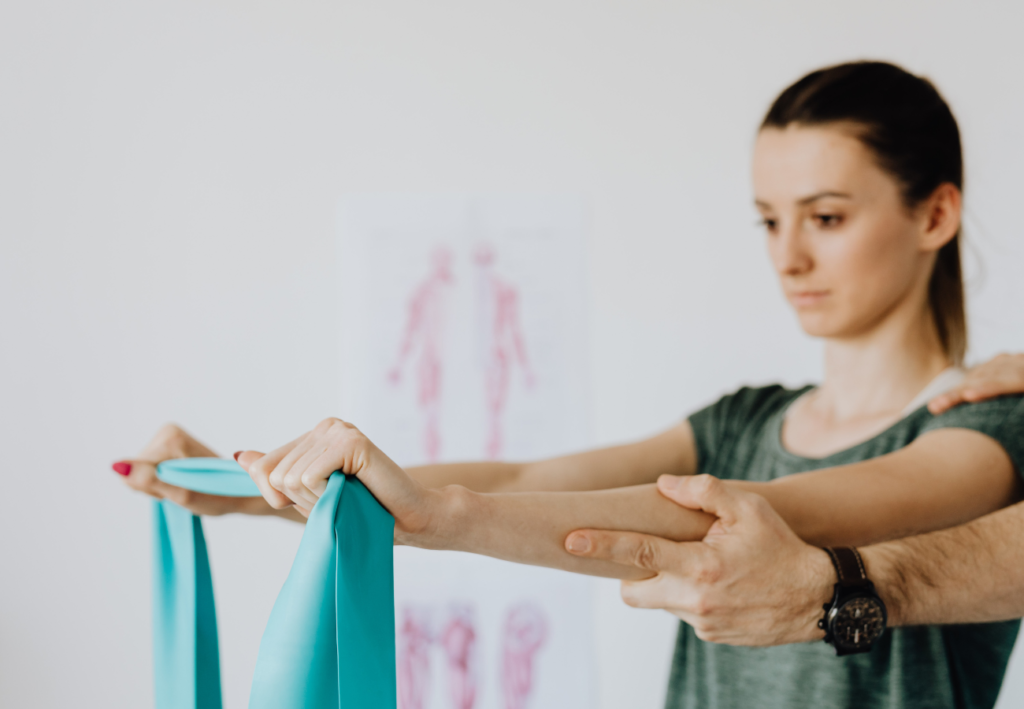
Athletic recovery is a structured rehabilitation process that helps active individuals recover after injury, overload, or reduced performance.
It focuses on reducing pain, restoring mobility, rebuilding strength, and preparing the body for a safe return to training and sport.
Recovery is not only about rest. It also includes assessment, rehabilitation, progressive exercise, and physical recovery strategies based on your needs.
Athletic Recovery Treatment in Nicosia
At our clinic in Nicosia, athletic recovery treatment is always personalized. We begin with a full assessment to understand your symptoms, injury history, current limitations, and performance goals.
Based on this assessment, we create a treatment plan that supports healing and improves physical function step by step.
Who Can Benefit from Athletic Recovery?
- Recreational athletes
- Competitive athletes
- People returning to exercise after injury
- Individuals with recurring sports-related pain
- Patients recovering after intense training or overload
Common Conditions We Treat
- Muscle strains
- Ligament injuries
- Tendon pain and overuse injuries
- Knee pain
- Ankle injuries
- Shoulder injuries
- Reduced mobility after injury
- Sports-related pain and fatigue
Where needed, treatment can also be combined with our sports injury treatment services for more complete recovery support.
Benefits of Athletic Recovery
A well-designed athletic recovery plan helps more than symptom relief. It supports better healing and prepares the body for a safer return to activity.
- Improves blood flow and circulation
- Reduces inflammation and post-exercise soreness
- Supports healing after sports injuries
- Restores strength and mobility
- Reduces the risk of re-injury
- Supports return to training and performance
For many active patients, athletic recovery in Nicosia becomes an important part of long-term performance and injury prevention.
Why Athletic Recovery Matters After a Sports Injury
After a sports injury, many people return to activity too early. Although pain may improve, the body may still need more rehabilitation before it is ready for full performance.
Athletic recovery helps bridge the gap between early recovery and safe return to sport. It focuses on strength, movement quality, control, and confidence.
As a result, patients can return to exercise with better function and lower risk.
Our Approach to Athletic Recovery in Nicosia
Our clinic follows a personalized and structured approach. We do not use the same program for every athlete.
Instead, we assess your injury, your physical condition, and the demands of your sport. Then, we create a rehabilitation plan that matches your recovery goals.
- Detailed clinical assessment
- Personalized rehabilitation plans
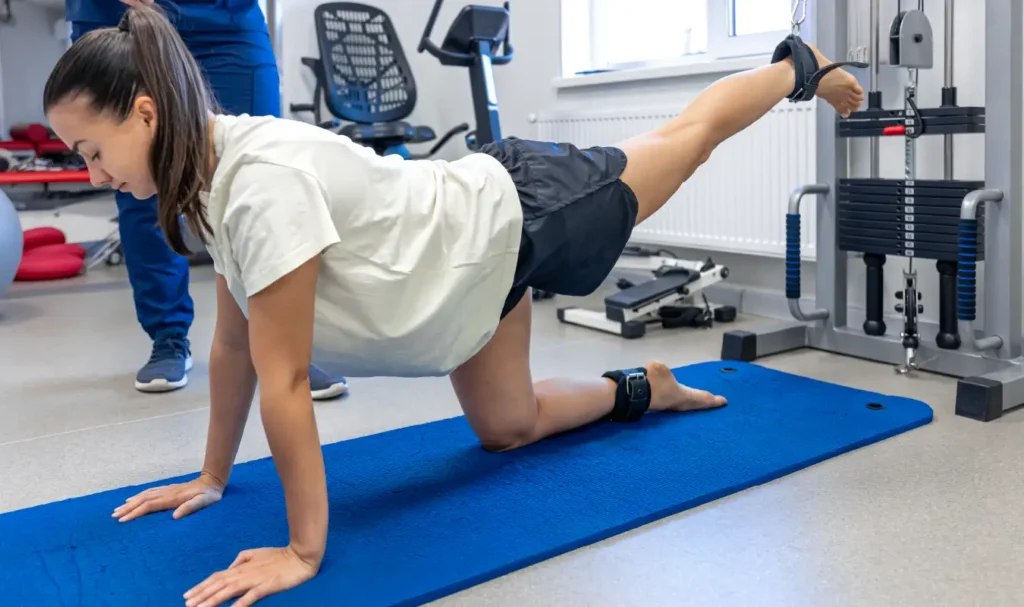
- Progressive strengthening and mobility work
- Pain management and recovery support
- Return-to-sport guidance
This approach helps support both recovery and performance.
Athletic Recovery and Rehabilitation
Athletic recovery is closely linked to rehabilitation. In many cases, athletes need more than short-term treatment. They need a complete plan that improves movement, function, and load tolerance.
That is why athletic recovery is often included in a wider rehabilitation treatment plan in Nicosia, especially after more serious injury or repeated overload.
Return to Performance After Injury
The goal of athletic recovery is not only to feel better. The goal is to return to training, exercise, and sport safely and confidently.
Depending on your condition, treatment may focus on:
- Improving joint mobility
- Rebuilding muscle strength
- Restoring balance and control
- Increasing tolerance to training load
- Preparing for gradual return to sport
For this reason, athletic recovery in Nicosia should always be structured, progressive, and adapted to the individual.
Why Choose Our Clinic in Nicosia?
Choosing the right clinic is an important part of recovery. Our goal is to help active individuals recover properly and return to performance with confidence.
- Personalized treatment plans
- Professional physiotherapy background
- Modern rehabilitation approach
- Focus on recovery and function
- GESY-supported physiotherapy services where applicable
In addition, patients can combine athletic recovery with physiotherapy and rehabilitation in Nicosia depending on their needs.
Book Your Athletic Recovery Appointment in Nicosia
If you are recovering from a sports injury or want to return to performance safely, our clinic is here to help.
We provide athletic recovery in Nicosia with a focus on rehabilitation, physical recovery, and long-term results.
You can book your appointment online here:
Book your athletic recovery appointment online
You can also explore our sports injury services, learn more about physiotherapy services in Nicosia, or contact us for more information.