

Heel Pain Physiotherapy in Strovolos, Nicosia
Plantar Fasciitis Treatment in Nicosia
Plantar fasciitis is one of the most common causes of heel pain, especially during the first steps in the morning or after sitting for a long time. At Elinos Petrou Physio & Rehab Center in Strovolos, Nicosia, we provide physiotherapy treatment for heel pain, plantar fascia irritation and stubborn foot symptoms.
- Assessment for heel pain and morning foot pain
- Personalised physiotherapy and strengthening plan
- Shockwave therapy support when clinically appropriate
- Located in Strovolos, Nicosia
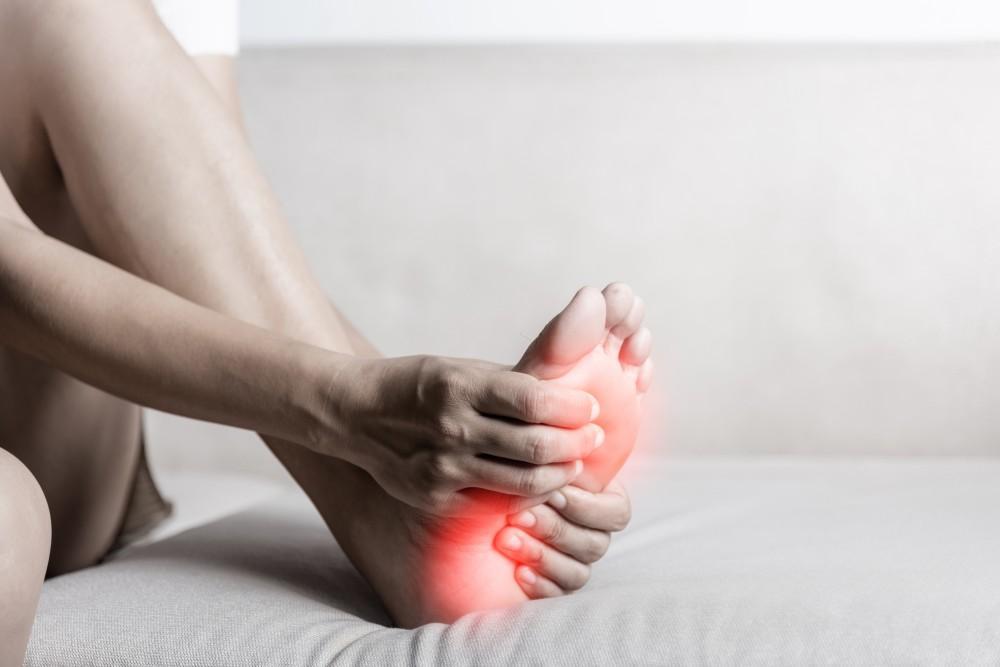
Physiotherapy for Plantar Fasciitis and Heel Pain
Plantar fasciitis usually causes pain under the heel or along the bottom of the foot. Many patients feel the strongest pain during the first steps in the morning, after sitting, or after a period of rest.
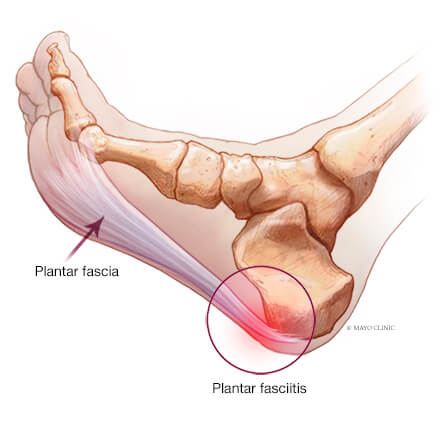
The plantar fascia is a strong band of tissue that supports the arch of the foot and helps absorb load during walking and running. When the tissue becomes irritated or overloaded, symptoms can become persistent and frustrating.
Our clinic provides personalised Physiotherapy Services in Nicosia for heel pain, foot pain, sports injuries and rehabilitation.
Common Symptoms of Plantar Fasciitis
Symptoms can range from mild heel discomfort to sharp pain that affects walking, training and daily activity.
Morning Heel Pain
Sharp pain during the first steps after getting out of bed is one of the most common symptoms.
Pain After Sitting
Heel pain may return after sitting for a while, then ease slightly after moving.
Pain Under the Heel
Discomfort is often felt under the heel or along the arch of the foot.
Walking Discomfort
Long walks, standing or walking on hard surfaces may increase symptoms.
Running Pain
Symptoms may flare during or after running, sport or increased training load.
Recurring Heel Pain
Pain may improve temporarily with rest but return when activity increases again.
What Causes Plantar Fasciitis?
Plantar fasciitis is often related to how much load the foot is tolerating. Symptoms may appear when walking, running, standing or daily activity places repeated stress on the plantar fascia.
The condition can develop after a sudden increase in walking, running, training, standing time or activity load. It may also be linked with reduced calf strength, limited ankle mobility or poor recovery between activities.
- Sudden increase in walking or running
- Long periods of standing
- Training load changes
- Tight calf muscles
- Reduced foot or ankle strength
- Hard surfaces or unsuitable footwear
- Poor recovery between activities
- Previous foot, ankle, knee or hip problems
If your heel pain is linked with running or sport, you may also benefit from Sports Physiotherapy in Nicosia.
How Physiotherapy Helps Plantar Fasciitis
Physiotherapy for plantar fasciitis focuses on reducing pain, improving foot and calf strength, restoring mobility and helping the foot tolerate activity again.
Rest may help symptoms temporarily, but long-term recovery usually requires a plan that improves load tolerance and supports gradual return to walking, standing, training or sport.
1. Assessment
We assess heel pain, walking tolerance, foot mobility, calf strength and activity demands.
2. Pain Reduction
Treatment begins by reducing irritating loads and choosing comfortable movement strategies.
3. Strengthening
Progressive foot, calf and lower-limb exercises help improve tissue tolerance.
4. Return to Activity
Your plan progresses toward walking, work, running, gym or sport with better confidence.
Treatment Options for Plantar Fasciitis
The best treatment depends on your symptoms, irritability, activity level and goals. Some patients need advice and progressive exercises, while others may need a broader physiotherapy plan.
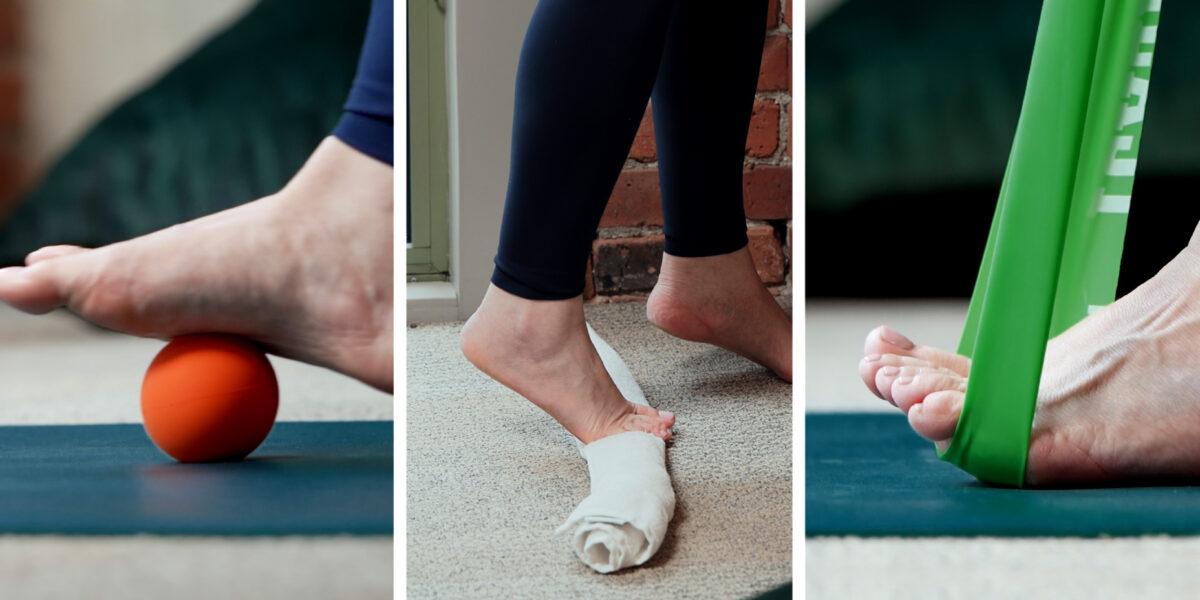
Treatment may include load management, calf and foot strengthening, mobility work, walking advice, running modifications and supportive therapies such as shockwave therapy in selected cases.
- Calf and plantar fascia stretching
- Foot and calf strengthening
- Walking and standing load management
- Running and training advice
- Footwear and activity guidance
- Manual therapy when appropriate
- Home exercise programme
- Shockwave therapy when suitable
You may need assessment if:
- Heel pain lasts more than a few weeks
- Morning pain is sharp or persistent
- Walking or standing makes symptoms worse
- Rest only helps temporarily
- Pain keeps returning
- You cannot train or work comfortably
- You are unsure which exercises are safe
Shockwave Therapy for Plantar Fasciitis
Shockwave therapy may be considered for persistent plantar fascia-related heel pain when clinically appropriate. It is usually used as part of a wider physiotherapy plan, not as a replacement for strengthening and rehabilitation.
If your heel pain has been stubborn or keeps returning, we can assess whether shockwave therapy may be suitable for your case.
Learn More About Shockwave TherapyCommon Mistakes With Plantar Fasciitis
Heel pain can become frustrating when symptoms improve briefly but return during walking, standing or running.
Only Resting
Rest may calm symptoms, but the foot often needs progressive strengthening to tolerate activity again.
Ignoring Morning Pain
Sharp first-step pain is a common sign that the plantar fascia is still sensitive.
Increasing Running Too Fast
Sudden changes in running, walking or training volume can flare symptoms.
Only Changing Shoes
Footwear may help comfort, but long-term recovery often needs strength and load management.
Generic Exercises
Not every exercise is suitable early on, especially if symptoms are very sensitive.
Stopping Rehab Early
Pain may reduce before the foot has fully regained tolerance for normal activity.
Why Choose Elinos Petrou Physio & Rehab Center?
Plantar fasciitis treatment should be practical, personalised and based on your real daily activity demands. Our goal is to help you reduce pain, rebuild strength and return to walking, standing, work or sport with confidence.
- Clear heel pain assessment
- Personalised treatment plan
- Progressive foot and calf strengthening
- Support for walking, running and daily activity
- Shockwave therapy available when appropriate
- Convenient clinic in Strovolos, Nicosia
What Our Patients Say
Patients across Nicosia trust Elinos Petrou Physio & Rehab Center for physiotherapy, pain relief and rehabilitation support.
Professional Physiotherapy Care
⭐⭐⭐⭐⭐
“Professional, knowledgeable and effective. My condition improved greatly and I felt supported throughout my treatment and recovery.”
— Ioanna P.Personalised Treatment Approach
⭐⭐⭐⭐⭐
“Excellent physiotherapy services, knowledgeable and friendly staff. I highly recommend Elinos for his professionalism and personalised approach.”
— Despina D.Reliable Recovery Support
⭐⭐⭐⭐⭐
“I highly recommend them for their professional and prompt support.”
— Dimitra F.Visit Our Physiotherapy Clinic in Strovolos, Nicosia
Our physiotherapy clinic is located in Strovolos and supports patients from across Nicosia, including Engomi, Aglantzia, Lakatamia, Acropolis, Dasoupoli, Latsia, Archangelos and Nicosia city centre.
Andrea Avraamidi 37, Office 203, Strovolos, Nicosia, Cyprus.
Book Your Heel Pain Assessment in Nicosia
If heel pain is affecting walking, standing, running, work or daily activities, our physiotherapy team can help you understand the cause and start the right recovery plan.
Helpful Physiotherapy Resources
Frequently Asked Questions
What is plantar fasciitis?
Plantar fasciitis is a common cause of heel pain involving irritation of the plantar fascia, a strong band of tissue that supports the arch of the foot.
Why is plantar fasciitis worse in the morning?
Morning pain is common because the plantar fascia can become stiff overnight. The first steps after rest suddenly load the tissue again, which may trigger sharp heel pain.
Can physiotherapy help plantar fasciitis?
Yes. Physiotherapy can help by reducing irritating loads, improving foot and calf strength, guiding activity progression and supporting long-term recovery.
Can shockwave therapy help plantar fasciitis?
Shockwave therapy may be considered for persistent plantar fascia-related heel pain when clinically appropriate. It is usually used alongside rehabilitation exercises.
Should I stop walking if I have plantar fasciitis?
Not always. Walking may need to be modified rather than stopped completely. Your physiotherapist can help you choose the right activity level for your symptoms.
Where is the clinic located?
Elinos Petrou Physio & Rehab Center is located in Strovolos, Nicosia, Cyprus.